TPO Roofing Installation for Low-Slope Systems
Low-slope roofs are deceptively simple until you watch how water behaves on them. A steep roof sheds rain quickly; a low-slope roof has to manage water, not just deflect it. That single difference is why TPO roofing installation on commercial buildings deserves a contractor’s full attention, from the moment the roof is opened up to the final walkthrough.
If you have ever dealt with a roof leak repair on a flat or near-flat system, you already know the pattern. The leak is rarely “just one spot.” It shows up where water can collect, where seams or penetrations create pathways, or where movement and aging have stressed materials. That reality also drives the decision between roof repair and roof replacement. For low-slope systems, a professional assessment matters even more because the roof can look fine on the surface while the underlying layers tell a different story.
The repair vs replacement decision is usually the real job
Most owners think the choice is “fix the problem” or “replace the whole roof.” In practice, the job is to determine how many problems exist and whether they share a root cause. Major manufacturer guidance often boils it down to a practical rule of thumb: small, isolated problems can often be repaired, while older roofs, widespread damage, recurring leaks, or multiple trouble spots may justify replacement. That same logic shows up in post-event evaluations, too.
After wind, rain, hail, ice, snow, or fire, IBHS guidance emphasizes that properly designed, installed, and maintained roofs can reduce damage from those hazards. It also notes that a post-event evaluation can help identify cases where repair is preferable to full replacement. The key is that the roof’s condition after the event tells you whether patchwork will hold or whether the roof system has effectively reached the point of diminishing returns.
In the field, I’ve seen two very different outcomes from the same starting symptom. One commercial roof had a recurring roof leak near a curb. The visible damage was limited, and the underlying pattern suggested the repair could be contained. Another roof came in with a “small” leak, but once the layers were inspected, the issue wasn’t isolated at all, it was a sign of broader roof system breakdown. The leak repair request turned into a commercial roof replacement because the repair would have been a series of fixes that kept chasing the next roof leak patching weak link.
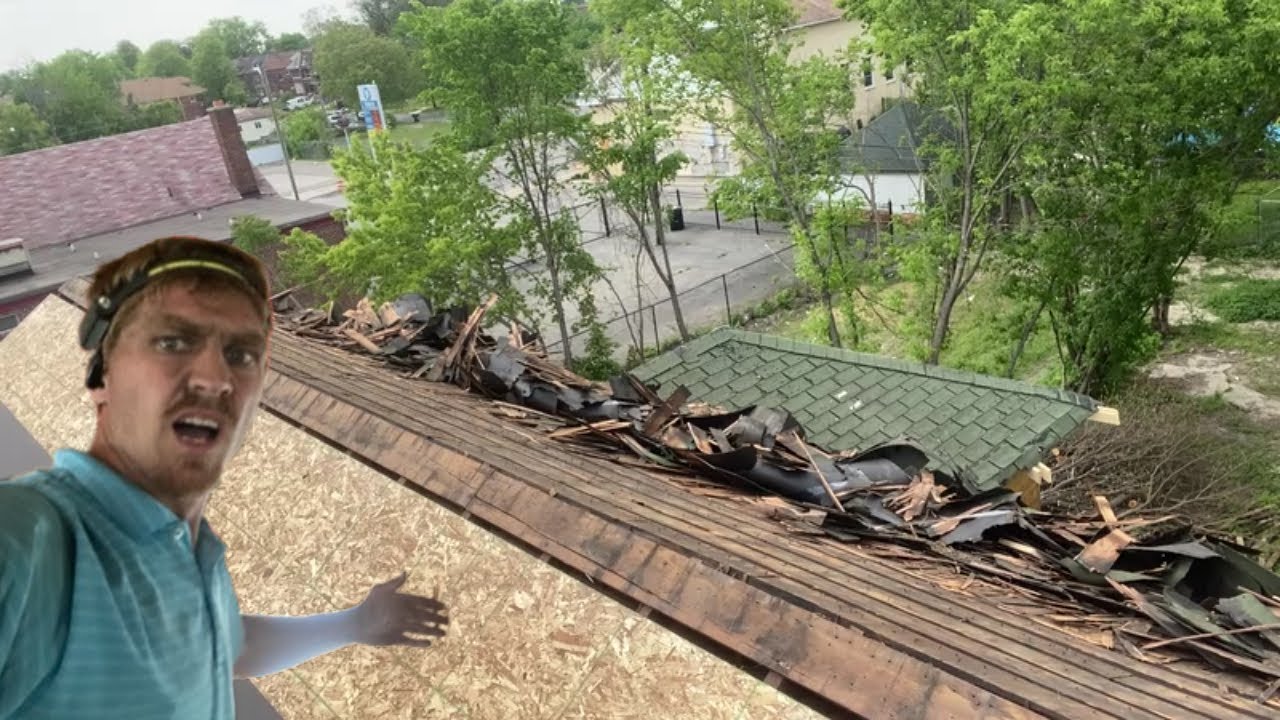
What TPO is trying to do on a low-slope roof
TPO is one of the popular membrane options for commercial low-slope systems, alongside EPDM commercial roofing, modified bitumen roofing, PVC roofing, and commercial metal roofing approaches. Even if you are not choosing the membrane today, it helps to understand what the roof is designed to accomplish.
A low-slope membrane system is meant to:
- stay intact over weather exposure and building movement
- manage water at seams and details
- maintain performance as layers age
TPO roofing installation is often chosen because it fits the way many commercial low-slope systems are built: layered components that ultimately rely on the membrane and its details. The installation has to support the roof’s long-term water management role, not just cover the deck. That’s why “installation” is not a one-day event in the real sense. It’s a sequence of decisions, inspections, and careful detail work.
A realistic view of an installation project
When people hear “roofing installation,” they picture the membrane rolling out across the roof. In reality, commercial roof installation on a low-slope system is a build process, not a single material placement. And when the project is a roof replacement, the contractor typically does more than swap out the top layer.
Even for roof replacement on other roofing types, manufacturer guidance commonly describes a typical process that includes removing old roofing materials, installing new underlayment and roofing materials, replacing flashings and ridge caps, and cleaning up the site. On a low-slope system, the same idea applies: the replacement is a system reset, not a cosmetic fix. Flashings and transitions are where water behavior becomes complicated, so those components are usually part of the scope.
For a TPO Roofing Installation on a flat roof installation and repair project, the workflow generally includes preparing the substrate, addressing any damaged areas before the membrane goes down, building the layer stack that the system requires, then installing the membrane and completing the perimeter and penetration details. The exact method can vary by product line, roof design, and building conditions, but the logic is consistent: you cannot install a watertight roof on a compromised base.
Where contractors focus during TPO roofing installation
On low-slope systems, the “hard parts” are rarely the field of the membrane. The hard parts are everything the field has to connect to. That includes edges, corners, curbs, drains, and where different roof components meet. If you have ever had roof inspection findings that were hard to explain to a non-roofer, it’s usually because the risk lives in transitions and details, not the large smooth areas.
Here is the kind of short checklist I look for during an inspection appointment before any work starts.
- Verify the roof’s condition and document visible distress before any tear-off or patching
- Identify suspected leak zones and trace how water could travel across the system
- Confirm roof drainage paths and how the roof handles low points
- Review whether the damage appears isolated or widespread
- Make sure temporary protection and safety controls are planned if the roof is opened
That may sound obvious, but the order matters. If you start with “install the membrane,” you can lock in problems you should have identified earlier, especially around drainage and transitions.
Roof inspection is not just a visual walkthrough
A roof inspection for a low-slope system is where a roof leak repair job either gets justified or gets correctly re-scoped. Manufacturer and insurer-focused guidance commonly reinforces that proper evaluation is what determines whether repair is enough or whether replacement is the better long-term choice. IBHS also frames roof performance in terms of design, installation, and maintenance, and points to post-event evaluation as a way to decide repair versus replacement.
In practical terms, a good roof inspection for commercial work usually does two things:
First, it gathers enough information to explain the “why,” not just the “where.” A leak near a drain might be caused by a drainage issue, a detail failure, movement of nearby components, or deterioration over time. Second, it helps the contractor estimate how much of the roof system should be involved. One patch might be appropriate when an issue is truly isolated. More extensive work becomes necessary when multiple trouble spots show up or when recurring leaks suggest a larger pattern.
When owners call for emergency roof repair, that same evaluation becomes time-sensitive. An emergency response aims to stabilize the roof and prevent active water intrusion. It does not always allow time for a full system diagnosis immediately. That’s why the best emergency roof repair teams set expectations clearly, fix what must be fixed right away, then follow up with a formal roof inspection once the immediate risk is controlled.
When low-slope roofs tip from repair into replacement
The repair vs replacement boundary is rarely a single “magic year,” even though it’s common to talk in age terms. What matters is the pattern of damage. Owens Corning guidance, for example, reflects the common rule of thumb that small, isolated problems may be repairable, but older roofs or widespread damage often justify replacement. Recurring leaks are a major clue, not because they are dramatic, but because they suggest the original fix did not address the full root cause.
For low-slope systems, “multiple trouble spots” can show up as:
- repeated leaks across different areas
- damage that appears in clusters near transitions
- signs that the roof system has aged unevenly
If you are managing roof replacement cost, this is where inspection quality pays for itself. A rushed decision can lead to paying for multiple roof repairs that never restore the system. A correct decision can prevent unnecessary tear-offs and reduce the chances of an ongoing leak cycle.
Even on residential asphalt shingle roof replacement projects, GAF reported an average 2023 roof replacement cost of $14,959 for an asphalt shingle roof, with real-world cost varying by roof size, materials, and project complexity. While that specific number does not apply to every commercial TPO installation, it illustrates a point you feel quickly in any market: cost depends on scope and complexity, not just the material choice. In commercial settings, complexity often increases with rooftop penetrations, existing conditions, and required coordination.
The details that separate good TPO installation from a premature call back
I don’t mean this as scare tactics. A roof is a performance system, and details control performance. When I evaluate TPO roofing installation work, I pay attention to the connections that resist water, wind-driven rain, and the day-to-day movement of a building.
On low-slope systems, details matter most at:
- perimeter terminations where the membrane meets the edge components
- penetrations like pipe boots and other roof penetrations
- transitions around curbs and raised elements
- areas influenced by drainage and potential standing water
If a system is properly designed, installed, and maintained, guidance from IBHS emphasizes that it can significantly reduce damage from hazards like wind, rain, hail, ice, snow, and fire. That statement is broad, but the “how” becomes specific when you look at the roof. Proper design and installation show up as fewer points of water entry, more reliable behavior around transitions, and better resilience over time.
This is also where comparison matters if you are still deciding between membrane types or repair paths. EPDM commercial roofing, TPO, PVC roofing, and modified bitumen roofing all have their own installation considerations, and contractors who do the work consistently tend to talk about details the same way. The membrane choice is one variable, but the workmanship and the condition of the deck and underlying layers are usually the deciding variables.
Comparing TPO with other commercial membrane approaches
If you have other bids on your desk, you probably see language that sounds similar: membrane performance, weather resistance, seam quality, flashing. The reality is that each option is part of a system, and the system has to match your roof’s conditions.
Here’s a clear way to think about it without getting trapped in marketing talk:
- EPDM Commercial Roofing: often discussed in the context of low-slope commercial roof performance and long-term durability as a membrane system.
- PVC Roofing: another membrane option commonly used in commercial low-slope assemblies.
- Modified Bitumen Roofing: a different approach often used on low-slope systems, with installation characteristics that differ from single sheet membranes.
- Commercial Metal Roofing: sometimes used for commercial applications and may be considered depending on building design and roof geometry.
That comparison is useful, but it should not replace an evaluation of your actual roof. IBHS emphasizes that properly designed and maintained roofs can reduce damage from hazards, and that post-event evaluation can identify when repair is preferable. In other words, the “best” option is the one that works with your building, your roof shape, and your risk profile.
When the job starts after an incident: emergency roof repair to recovery
Emergency roof repair is its own phase of work. It’s also the phase where owners most often feel uncertainty, because the roof is actively failing. A storm can change the roof’s condition fast, and the initial goal is stabilization. Then the longer-term plan follows.
IBHS guidance on roof damage evaluation after hazards like wind, rain, hail, ice, snow, and fire supports the idea that repair may be preferable in some cases. That does not mean all incidents are repairable. It means you should not automatically assume full replacement or automatically assume a patch will work. The roof needs a real inspection based on what actually happened and what damage is present.
In one emergency roof repair situation, the leak stopped after an immediate stabilization step, so the team prioritized keeping the interior dry while they prepared a more thorough evaluation schedule. Later, that follow-up roof inspection showed the damage was more extensive than the initial visible area. The project shifted from an emergency plan to a replacement plan because the underlying issues could not be addressed safely with small fixes.
That experience changed how I explain it to building managers. Emergency repairs are about risk control, not final resolution. Final resolution comes after the roof inspection confirms whether it’s a localized repair or an aging roof replacement scenario.
Practical considerations that affect roof replacement cost
Roof replacement cost is not just “how much a membrane costs.” The scope expands when the contractor needs to address layers beneath the membrane, replace flashings and transitions, and confirm drainage performance. Roof replacement after leak is a common real-world outcome when the leak reveals wider issues, especially on low-slope systems where water can travel.
Even when you can’t know the number until the roof is opened and evaluated, you can understand the main drivers that typically move the cost up or down.
- Roof size and number of roof sections or elevations
- Complexity of transitions, penetrations, and roof details
- Extent of underlying damage discovered during the work
- Whether the project is a roof repair, roof replacement, or replacement after leak
- Coordination needs, such as scheduling constraints for commercial operations
If you are benchmarking budgets, GAF’s reported 2023 average roof replacement cost of $14,959 for an asphalt shingle roof is a helpful reminder that averages exist but actual costs vary widely by roof size, materials, and project complexity. For TPO Roofing Installation on commercial low-slope roofs, the cost structure is different, but the principle holds: complexity drives cost.
Longevity planning: aging roof replacement versus “keep repairing”
Aging roof replacement is a phrase that sounds gloomy, but it can be strategic. If a roof is old and showing recurring roof leak repair needs, you can keep paying for incremental fixes, or you can reset the system and reduce the odds of repeated failures.
Owens Corning’s guidance on roofing longevity in general discusses typical lifespan expectations for asphalt shingle roofs, but even without tying that directly to TPO, the lesson transfers: materials have service lives, and roofs fail when enough parts of the system reach their end points. For low-slope systems, “end points” include not only the membrane but also how the roof handles water at drains and transitions.
Once a roof has multiple trouble spots, repair can become a churn of small projects. When that happens, a properly planned roof replacement often becomes the more practical path, especially if leaks have occurred more than once or the building has experienced repeated emergency interventions.
Choosing the right contractor for TPO roofing installation
For any commercial roof installation, contractor capability is the difference between a good plan and a good roof. Manufacturer education aimed at homeowners often advises using a professional contractor to decide whether repair or replacement is best. That advice is consistent with how IBHS frames roof performance and post-event evaluation.
In commercial settings, professionalism shows up as:
- clear documentation of roof inspection findings
- realistic explanations of whether repairs will actually address the root cause
- controlled emergency roof repair staging when leaks are active
- a system approach rather than a single-material approach
You do not want a contractor who treats TPO roofing installation like it’s interchangeable with “any flat roof patch.” A low-slope roof lives or dies at its transitions, and those decisions require experience.
A short scenario: what a “good” TPO job looks like after a leak
Imagine a building manager calls because there’s been roof leak repair activity in the same zone before. This time, they notice water staining in a new location after a storm.
A contractor that handles roof inspection well will treat it as a system question. They will document the current conditions, trace possible water travel paths, and explain whether the damage appears isolated or widespread. If the evaluation suggests recurring issues or multiple trouble spots, the scope may shift toward commercial roof replacement rather than a second round of patchwork.
If the situation is localized and repairable, a good contractor will still move carefully, protecting the building while they complete the right repair. Either way, the owner gets something valuable: a reasoned decision grounded in what the roof actually shows, not just what it looks like from the ground.
Where this leaves you, especially if you’re deciding today
TPO roofing installation for low-slope systems is not just a product selection. It is an outcomes-based process that starts with roof inspection and continues through careful system completion, including details that resist water entry.
If you are currently facing roof repair decisions, ask whether the issues appear isolated or whether they show signs of aging roof replacement. If you are in emergency roof repair territory, stabilize first, then follow with a proper evaluation that supports a durable plan. And if you are comparing options against EPDM commercial roofing, modified bitumen roofing, PVC roofing, or commercial metal roofing, bring the conversation back to your roof’s real conditions.
A low-slope roof is a water management system, and the best installations earn their reputation the slow way, through performance. The hard part is making the right call early, when the roof is open, the evidence is visible, and the decision can be made with clarity instead of guesswork.